

Protection From Top to Bottom
Siding
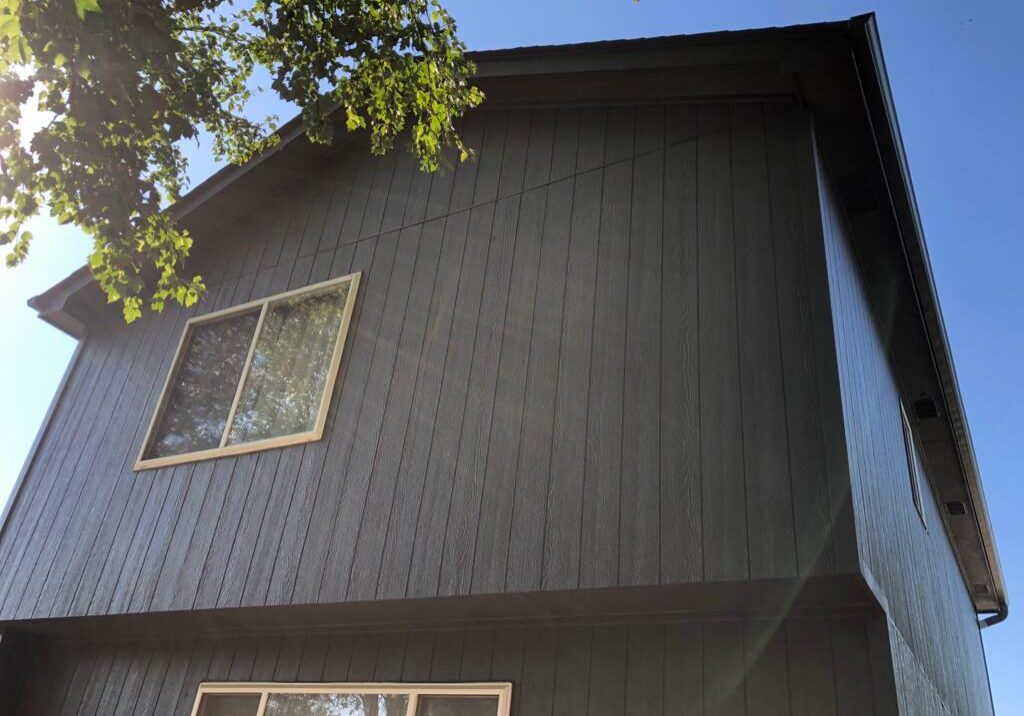
Vinyl Siding
Made from PVC (polyvinyl chloride) plastic, it’s a versatile and low-cost option.
Pros:
Affordable, low maintenance, a variety of colors and styles, and resistant to rot and pests.
Cons:
Less durable than other options
Ideal for the budget-conscious homeowner seeking minimal upkeep.
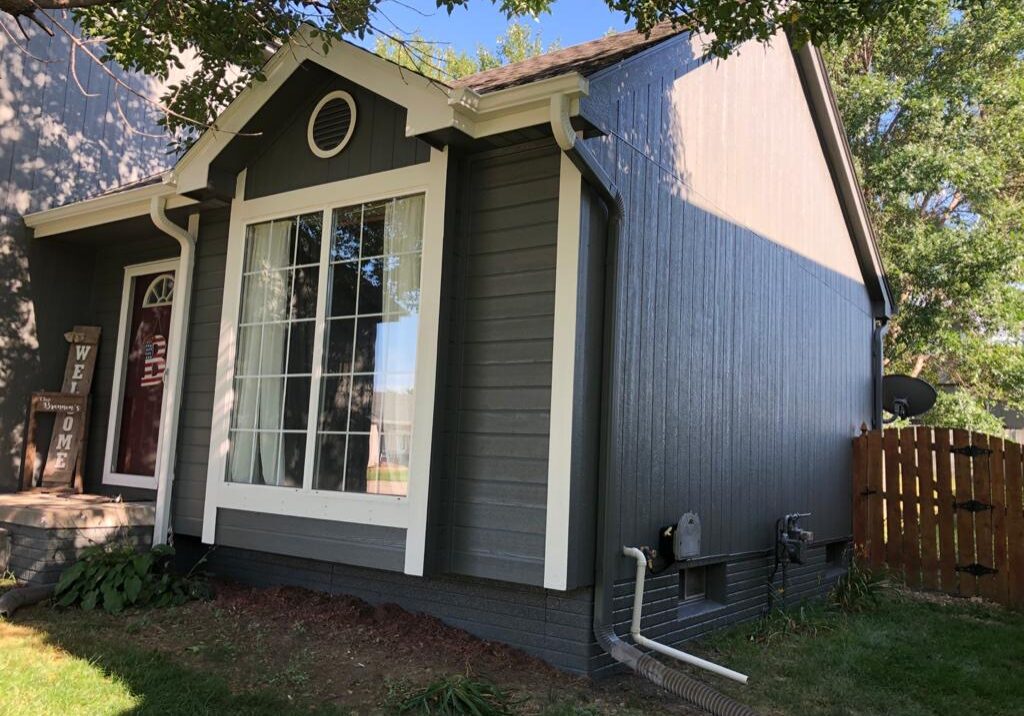
Fiber Cement Siding
A mix of cement, sand, and cellulose fibers that resembles wood or masonry. Also known as Hardie siding.
Pros:
Durable, long-lasting, fire-resistant, low-maintenance, and resistant to rot and pests.
Cons:
Higher price point.
Ideal for homes needing durability and high curb appeal with an upscale look.
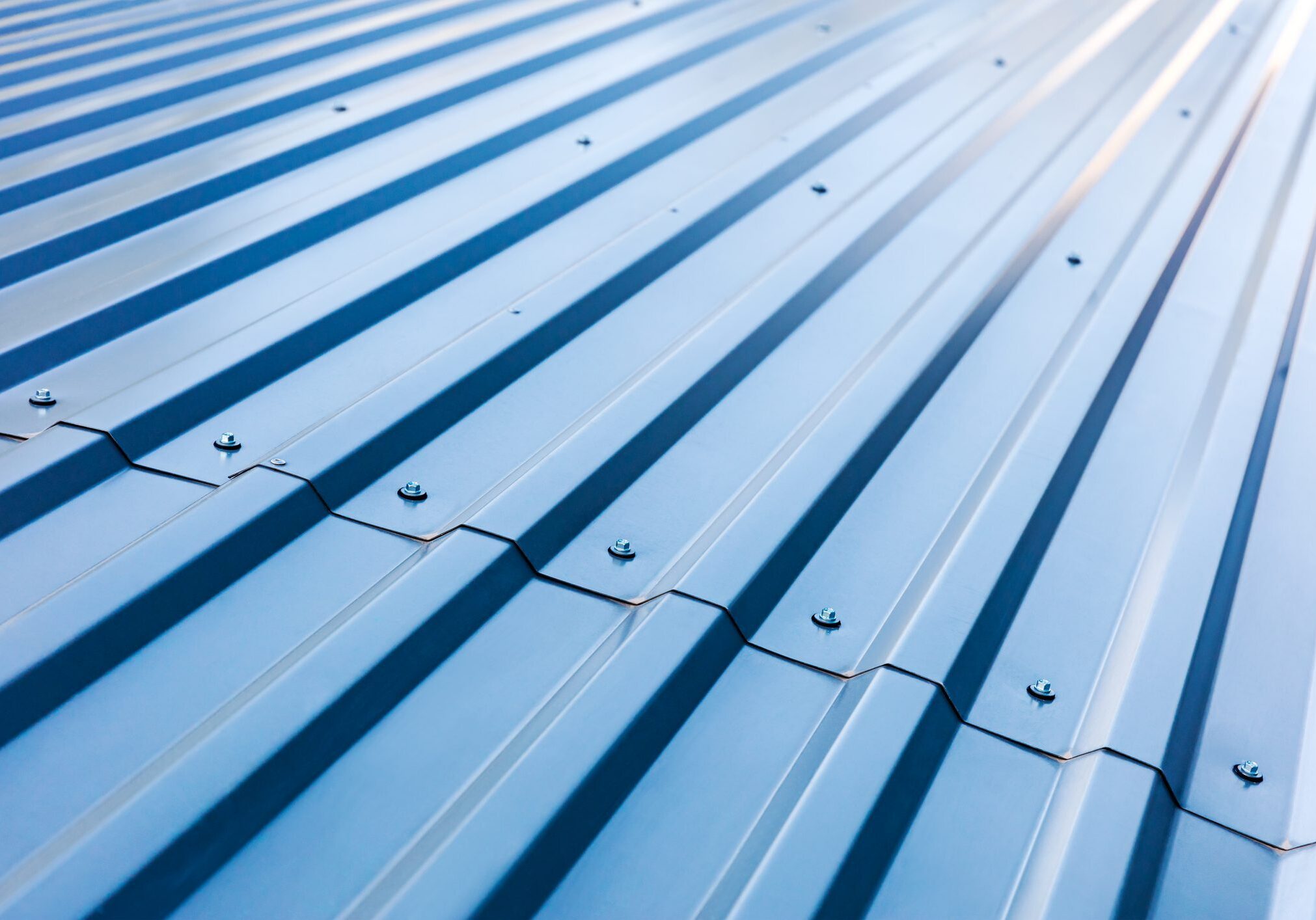
Metal Siding
Often made from aluminum or steel, metal siding offers a modern aesthetic.
Pros:
Durable, weather-resistant, fire-resistant, and low-maintenance
Cons:
Can dent or scratch easily
Ideal for contemporary or industrial-style homes.
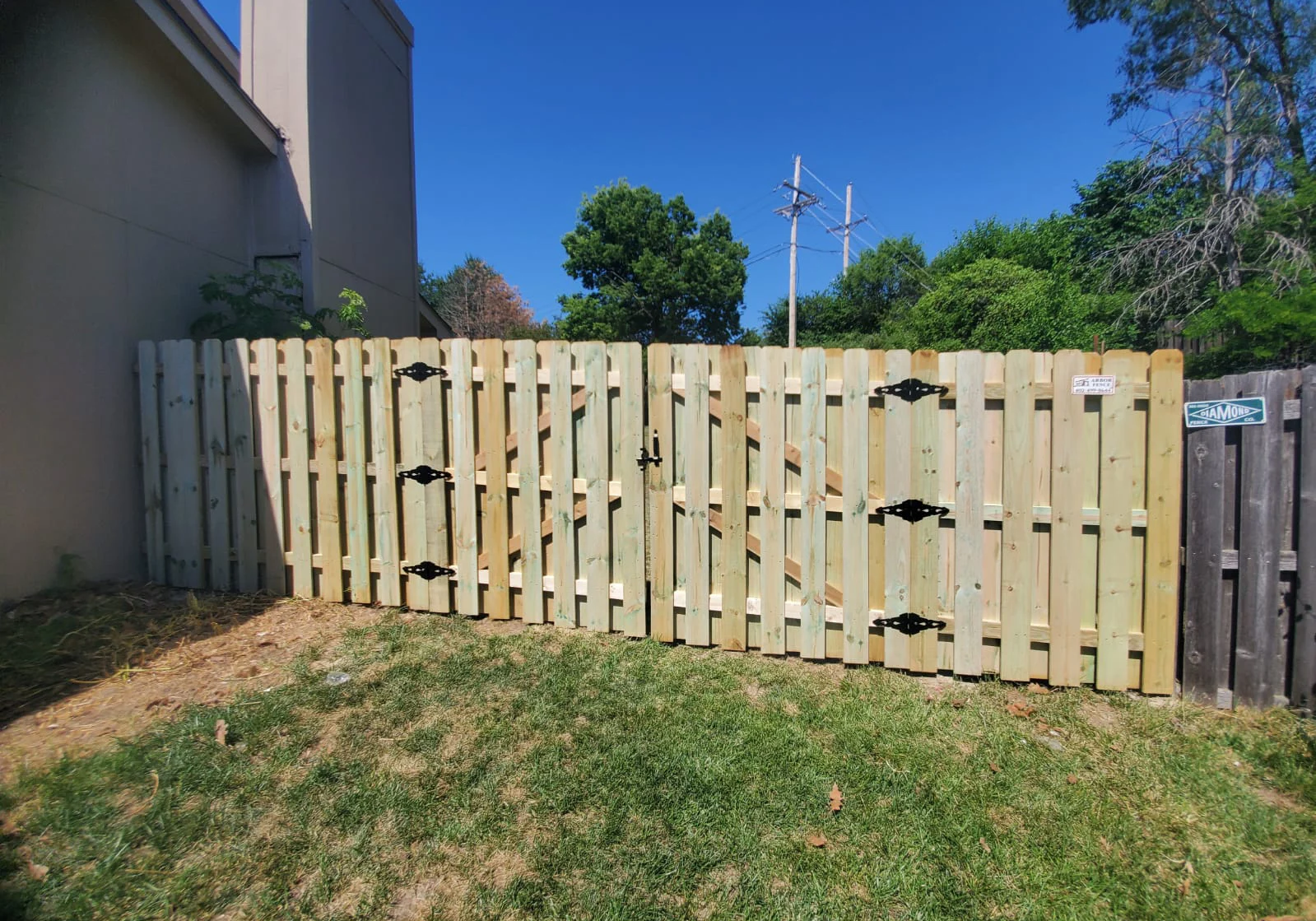
Wood Siding
Traditional siding is made from natural wood like cedar, pine, or redwood.
Pros:
Eco-friendly, can be painted or stained, and has a natural and unique aesthetic look.
Cons:
Requires regular maintenance, is higher cost, and is vulnerable to rot, pests, and fire.
Ideal for historic or high-end homes with a classic look.
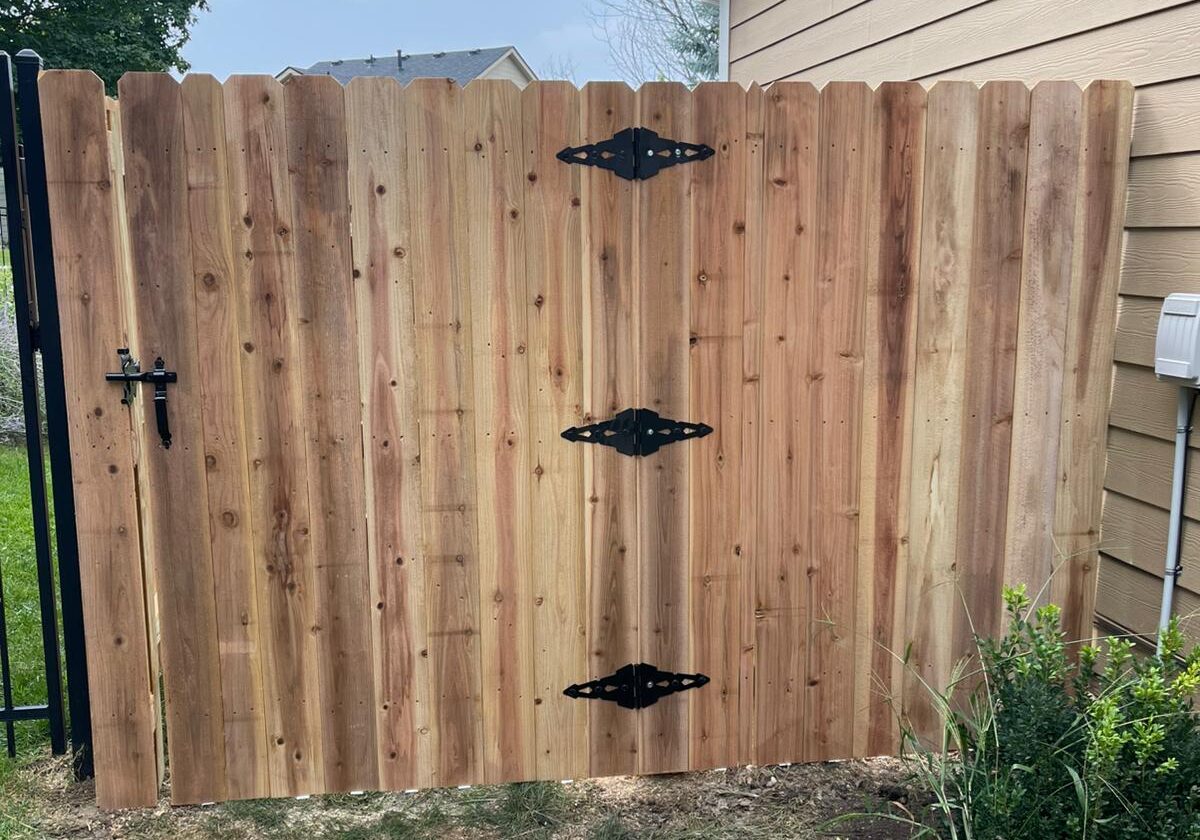
Engineered Wood or Composite Siding
The engineered wood siding is a composite material made of wood fibers and resin. The composite siding is made from a mix of materials like wood, resin, or polymers.
Pros:
Variety of styles, lightweight, durable, resistant to rot, resistant to insects, wood styles look like real wood, and more affordable than natural wood.
Cons:
Can be expensive, less durable than fiber cement, and can require painting or staining, and the composite siding can have a less natural appearance than wood.
Ideal for homes needing low-maintenance siding with a custom look.
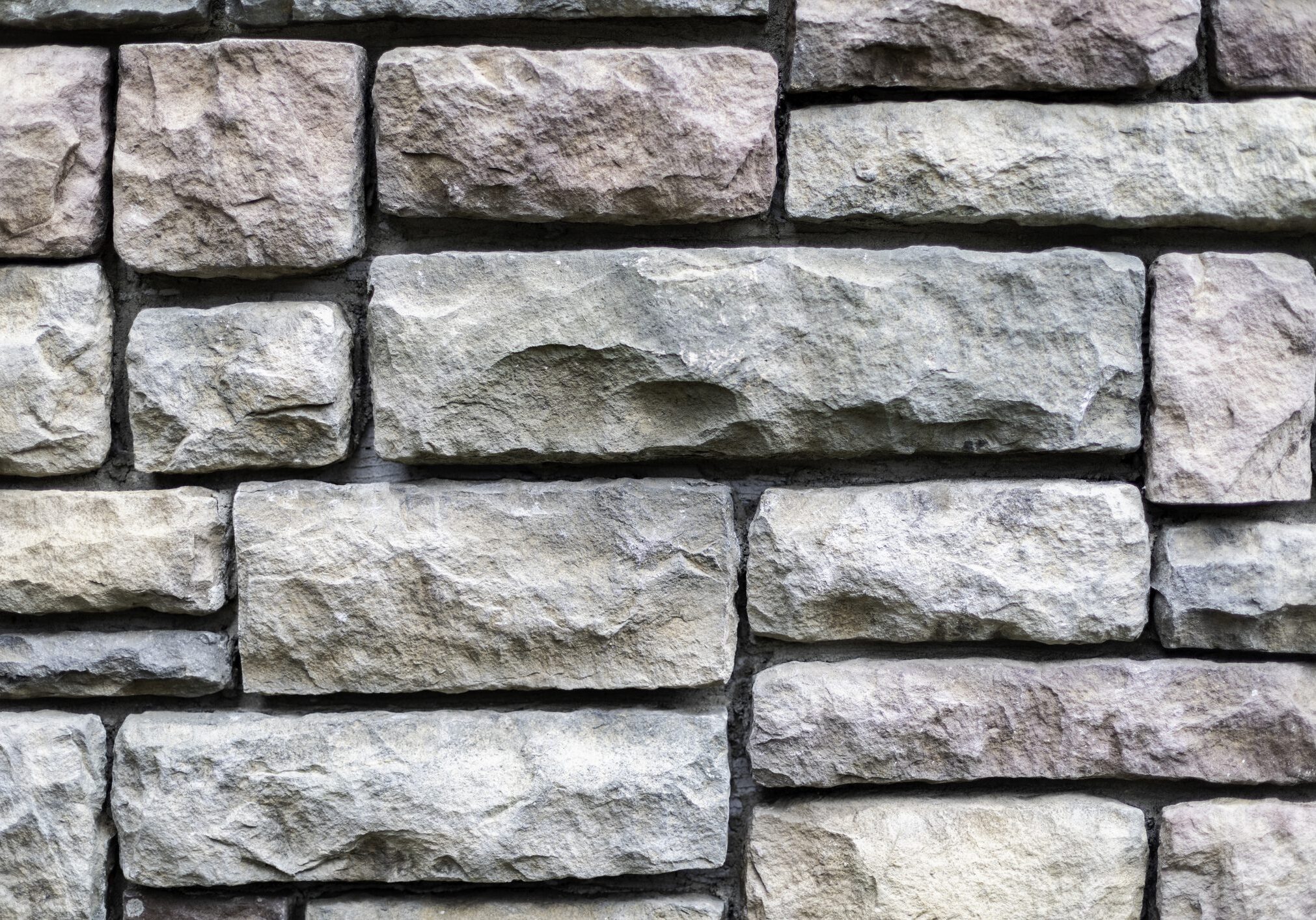
Stone Veneer Siding
A lightweight, manufactured version of natural stone siding.
Pros:
Durable, luxurious appearance, lighter and cheaper than real stone.
Cons:
The price point requires expert installation to avoid moisture issues.
Ideal for homes seeking rustic or upscale curb appeal.
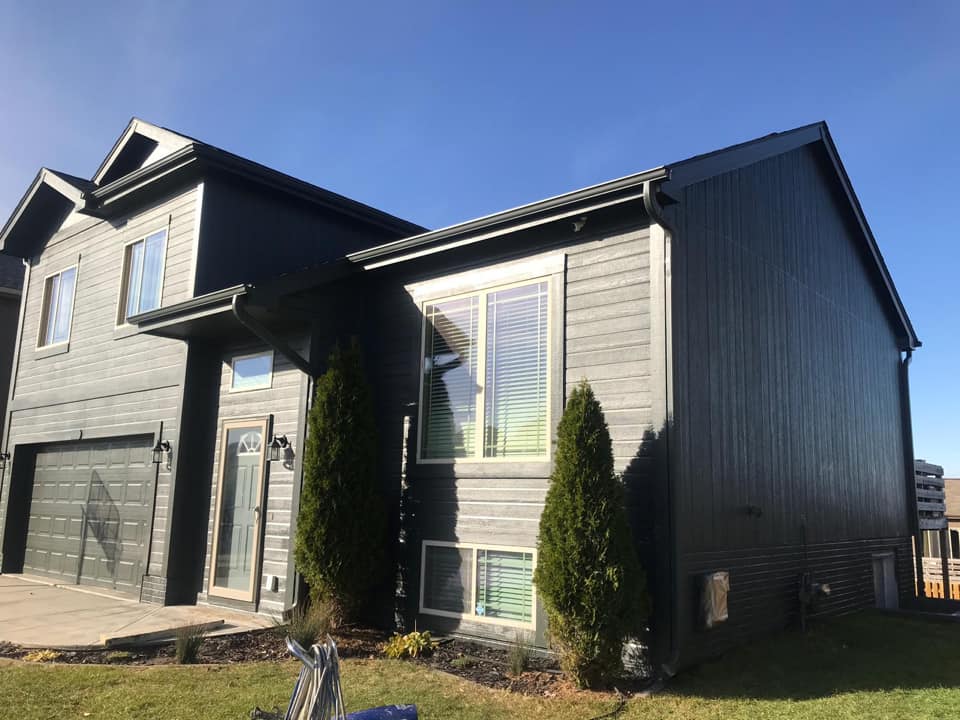
Aluminum Gutters
Lightweight, rust-resistant, and affordable, and come in a variety of colors.
Seamless gutters are custom-made in continuous lengths for each roof, which minimizes leaks and provides a sleek yet modern appearance.
Fascia gutters are installed directly onto the fascia board for a streamlined look versus built-in (hidden) gutters that are integrated into the roofline for an invisible design.